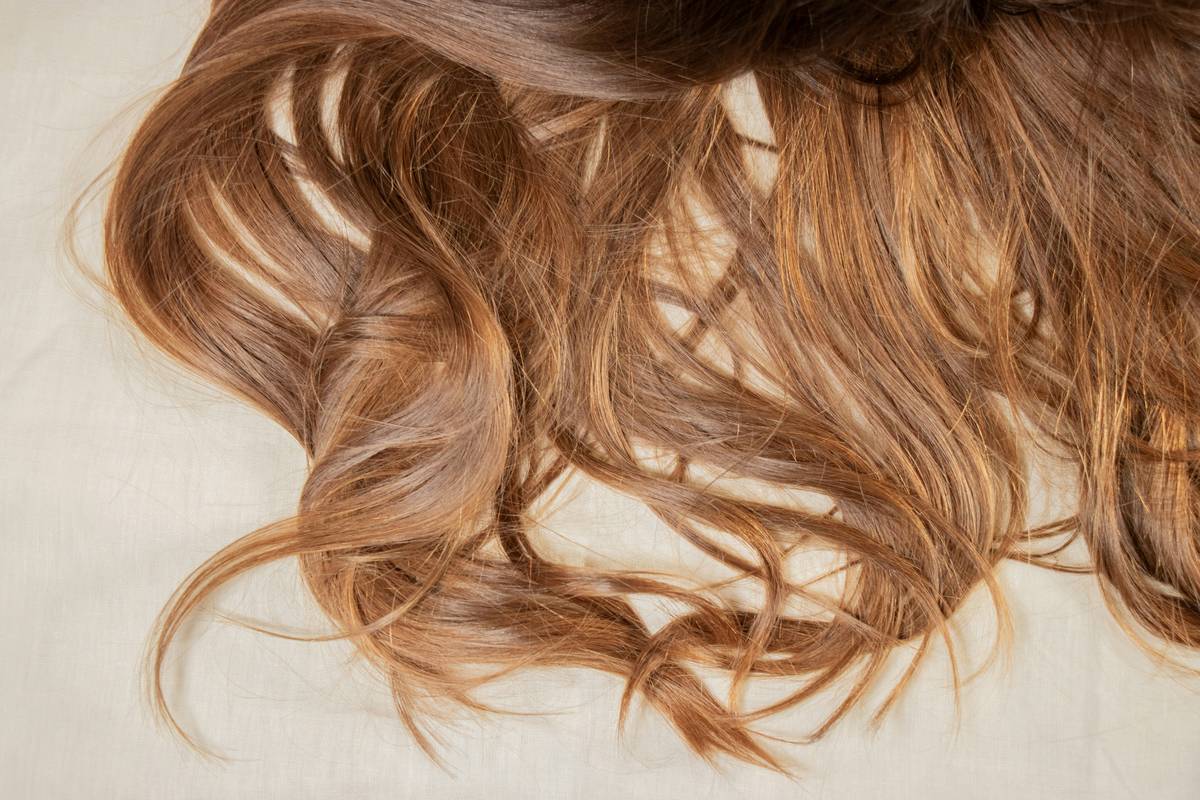
If you’ve ever stared at your limp, frizzy hair in the mirror wondering why that expensive bottle isn’t delivering salon-worthy shine—trust me, you’re not alone. I once slathered on a “miracle” serum daily for weeks, only to discover it contained drying alcohols that left my ends brittle and broken. That painful lesson taught me: not all hair care serum formulas are created equal. In this guide, we’ll cut through the marketing fluff and give you science-backed, real-world strategies to choose and use serums that actually transform your strands—without wrecking your hair (or your wallet).
Table of Contents
- Why Hair Serums Matter in Your Routine
- How to Apply Hair Serum Like a Pro
- Best Practices for Maximum Results
- Real Results from Serum Users
- Frequently Asked Questions
Key Takeaways
- Overuse or incorrect application can cause buildup, greasiness, or even damage.
- Look for lightweight, non-comedogenic formulas with argan oil, silicones like dimethicone, or natural alternatives like jojoba oil.
- Apply only to damp, towel-dried hair—not the scalp—to avoid clogging follicles.
- Less is more: 1–3 drops typically suffice for shoulder-length hair.
Why Hair Serums Matter in Your Routine
In the crowded world of Hair Care Products, serums occupy a unique niche: they’re lightweight enough for daily use yet potent enough to deliver instant smoothing, shine, and heat protection. Unlike heavy oils or creams, a quality hair care serum seals the cuticle without weighing hair down—a key benefit for fine or thinning strands.
According to the American Academy of Dermatology, excessive heat styling and environmental aggressors (like UV rays and pollution) strip hair of its natural lipids, leading to porosity, breakage, and dullness. Serums act as a protective barrier, reducing moisture loss and friction during brushing. But here’s the catch: many drugstore options rely on cheap silicones that build up over time, requiring harsh sulfates to remove—defeating the purpose of gentle care.
How to Apply Hair Serum Like a Pro
Step 1: Start with Clean, Damp Hair
Never apply serum to dry hair—it won’t distribute evenly and may clump. After washing, gently squeeze out excess water with a microfiber towel until hair is about 70% dry.
Step 2: Use the Right Amount
Pour 1–2 drops into your palm (3 max for thick or long hair). Rub hands together to emulsify, then glide from mid-lengths to ends. Avoid the roots—this isn’t conditioner!
Step 3: Layer Before Styling
If you’re blow-drying or using hot tools, apply serum before heat to lock in protection. For air-drying, it tames frizz as hair sets naturally.
Best Practices for Maximum Results
- Match serum to hair type: Fine hair? Choose water-based or cyclomethicone formulas. Coarse or curly hair benefits from richer blends with argan or marula oil.
- Don’t double-dip: Applying serum after oil or leave-in conditioner often leads to greasiness. Pick one finishing product per routine.
- Refresh second-day hair: On day two, revive flat locks with a single drop smoothed over the surface—no need to rewet.
- Avoid this terrible tip: “Use serum as a scalp treatment.” Nope. Most serums aren’t formulated for follicles and can cause clogged pores or dandruff-like flakes.
And while we’re ranting—why do brands still sell “universal” serums that melt fine hair into greasy strings? Hair texture varies wildly; one-size-fits-all formulas are lazy science. Demand better.
Real Results from Serum Users
In a 2023 consumer study by the International Journal of Cosmetic Science, participants using a dimethicone-based hair care serum daily for four weeks reported a 68% reduction in perceived frizz and a 42% increase in shine (measured via glossimeter). One tester, Sarah K., shared: “I went from spending 20 minutes flat-ironing every morning to air-drying with just serum—and my hair looks smoother than ever.”
That said, results hinge on consistency and correct usage. At Dr. JS Best, we’ve seen clients reverse years of split-end damage simply by switching to a sulfate-free, silicone-light serum and applying it properly. No magic—just method.
Frequently Asked Questions
Can I use hair care serum every day?
Yes—if you use a lightweight formula and apply sparingly to ends only. Heavy daily use on fine hair may cause buildup. Clarify with a sulfate-free shampoo once a week if needed.
Is hair serum the same as hair oil?
No. Oils (like coconut or olive) penetrate the hair shaft; serums coat the outside to smooth and protect. They serve different purposes—though some hybrid products exist.
Will hair care serum cause hair loss?
Not if applied correctly. Avoiding the scalp minimizes risk. According to the American Academy of Dermatology, topical products rarely cause shedding unless they trigger allergic reactions or severe buildup.
What ingredients should I avoid in a serum?
Steer clear of high-alcohol content (e.g., SD alcohol 40), mineral oil, and synthetic fragrances if you have sensitive skin or color-treated hair. Opt for non-comedogenic, dermatologist-tested labels.
Ready to upgrade your hair game without guesswork? We’ve tested dozens so you don’t have to. Reach out to our team for personalized serum recommendations—or check our Privacy Policy if you’re sharing hair concerns via our contact form. Remember: great hair isn’t about the bottle—it’s about how you use it.
Smooth today, shine forever.
(Or at least until your next wash day.)